

Facing a judgment can feel overwhelming, especially when you need to sell your home. Many homeowners believe that legal judgments prevent them from selling their property entirely. However, this assumption is not entirely accurate. Understanding house sale cash judgment processes can open doors you thought were closed.
Yes, you can sell your house for cash even with a judgment against you, though the judgment creditor typically must be paid from the sale proceeds. The judgment creates a lien on your property, but it doesn’t prevent the sale itself.
In this blog post, you’ll learn how selling property with judgment works, what types of liens can attach to your home, and how cash buyers simplify the process while helping you protect any remaining equity.
Key Takeaways
- Judgments create liens on your property but don’t stop you from selling.
- Various judgment types can attach to real estate, including tax liens and HOA claims.
- Cash buyers can close quickly and handle judgment lien payments at closing.
- Lien priority determines which creditors get paid first from sale proceeds.
- Homestead exemptions may protect a portion of your equity under Kentucky law.
- Working with experienced cash buyers helps resolve title issues with judgment efficiently.
- You can still walk away with money after satisfying judgment obligations.
How Does a Judgment Affect Your Home Sale?
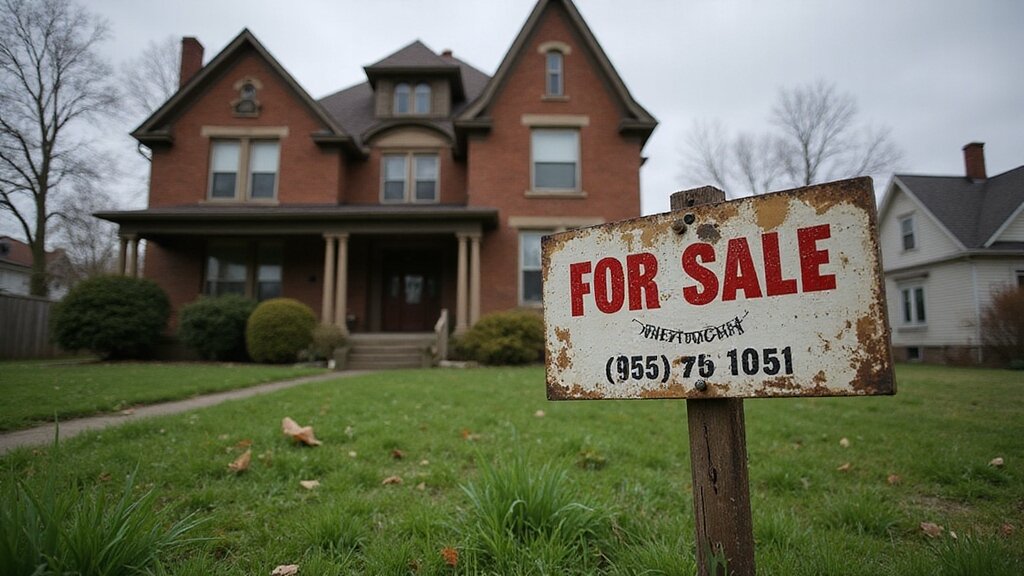
A judgment directly impacts your ability to transfer clear title to a buyer. The judgment holder has legal rights to collect their debt from your property’s value. Understanding these effects helps you plan your sale strategy effectively.
Judgment as a Lien on Your Property
In Kentucky, judgments become liens on real property in the county of debtor’s residence via KRS Chapter 426.426. Once recorded, the judgment attaches to any real estate you own in that county. This judgment attachment property happens automatically without additional legal steps.
The lien remains on your property until paid or legally removed. It shows up during title searches that buyers conduct. This real estate judgment lien must be addressed before closing can occur.
Impact on Property Title and Ownership Rights
Liens cloud title; must be satisfied or subordinated before sale per KRS 426.530. Buyers cannot receive clear ownership until the judgment is resolved. This creates title issues with judgment that must be cleared during closing.
Your ownership rights remain intact despite the lien. You can still live in the property and maintain it. However, property rights judgment debtor include the obligation to satisfy liens when transferring ownership.
Difference Between Voluntary and Involuntary Liens
Involuntary judgments auto-attach; voluntary liens require agreement. Court-ordered judgments represent involuntary liens that attach without your consent. These include property lien judgment situations from lawsuits or unpaid debts.
Voluntary liens include mortgages you agreed to when buying your home. Both types affect your property judgment implications during a sale. The key difference is how they attach to your property initially.
What Types of Judgments Can Attach to Your Property?

Different judgment types can create liens on your real estate. Each has specific legal procedures and enforcement methods. Knowing which judgments affect your property helps you prepare for the sale process.
Court-Ordered Money Judgments
Court judgments result from lawsuits where creditors win monetary awards against you. These become judgment creditor rights that attach to your property. The creditor can enforce collection through your real estate sale.
These homeowner judgment obligations follow a first-in-time rule for payment priority. Earlier recorded judgments get paid before later ones. Your equity may be reduced by multiple judgment amounts.
Tax Liens and IRS Judgments
IRS liens under 26 U.S.C. §6321 attach federally; KY tax liens per KRS 134.420. Federal tax debts create powerful liens that take priority over most other claims. These represent serious cash house sale legal issues that must be addressed.
State tax liens work similarly but follow Kentucky statutes. Both types represent judgment enforcement property claims with strong collection powers. The government has extensive rights to collect these debts.
Mechanic’s Liens and Contractor Claims
Mechanic’s Liens: Enforced via KRS Chapter 376; 6-month notice required in Louisville. Contractors who perform work on your property can file these liens for unpaid bills. They create legal obstacles selling property until satisfied.
These liens have specific timeframes for filing and enforcement. Contractors must follow strict notice requirements. The cash transaction judgment lien payment often resolves these claims at closing.
HOA Liens and Unpaid Assessments
HOA Liens: KY statute KRS 381.910 allows superpriority for assessments. Homeowners associations can place liens for unpaid dues and assessments. These have special priority status in Kentucky law.
HOA liens may take priority over even mortgage liens in some cases. This affects how creditor rights property sale proceeds are distributed. Buyers often require these cleared before purchasing.
How to Sell Your House Cash With an Existing Judgment?
Selling with Judgment: Obtain payoff; negotiate release; cash buyers pay liens at closing. The process involves several clear steps that protect all parties. Following this approach ensures a smooth cash closing judgment property transaction.
Verify the Judgment Amount and Details
Start by obtaining certified copies of all judgments against you. Contact the court clerk where judgments were filed. Verify the exact amount owed, including interest and fees.
Check for any errors in the judgment records. Mistakes happen and can be corrected through proper legal channels. Accurate information prevents delays during your property transfer judgment process.
Obtain a Payoff Statement from the Creditor
Request official payoff statements from each judgment creditor. These documents show the exact amount needed for judgment satisfaction property sale. Payoff amounts often include accumulated interest and collection costs.
Get these statements in writing with validity dates. Amounts can increase daily due to interest charges. Having current payoffs ensures accurate closing calculations for your real estate cash sale judgment.
Negotiate With the Judgment Holder
Consider negotiating a reduced settlement amount with creditors. Many judgment creditor collection parties accept less than the full amount. They prefer immediate payment over lengthy collection efforts.
Present your financial situation honestly during negotiations. Creditors may reduce amounts if it means guaranteed payment. This strategy can preserve more equity from your property liquidation judgment sale.
Close the Sale and Settle the Judgment
Louisville Circuit Court handles via execution sales. At closing, the title company pays judgment holders from sale proceeds. This ensures proper clearing title with judgment before ownership transfers.
The buyer receives clean title after all liens are satisfied. You receive any remaining proceeds after all debts are paid. This completes your judgment debtor property sale transaction legally.
Work With a Cash Buyer Who Handles Liens
Cash buyers specialize in cash buyer judgment property transactions. They understand lien resolution and work with title companies experienced in these matters. This simplifies the entire selling home with legal judgment process.
These buyers often purchase properties “as-is” with existing liens. They handle the complexity of judgment execution property issues. This removes stress from homeowners facing difficult situations.
Will the Judgment Creditor Get Paid From the Sale?
Yes, judgment creditors typically receive payment from your home sale proceeds. The distribution follows legal priority rules established by state law. Understanding this process helps you know what to expect at closing.
Priority of Liens During Property Sale
Lien Priority: First-in-time rule; mortgages senior per KRS 426.010 stats. The recording date determines which liens get paid first. Senior liens receive full payment before junior liens get anything.
Mortgage lenders typically hold first position liens. Property tax liens often take priority over all others. Judgment creditor property rights fall after these senior obligations in most cases.
How Proceeds Are Distributed at Closing
The title company creates a settlement statement showing all distributions. They pay liens in priority order from available proceeds. Any remaining funds go to you as the seller.
If proceeds don’t cover all liens, junior creditors may receive partial payment. Some may receive nothing if funds run out. This affects your homeowner rights judgment during the distribution process.
What Are the Benefits of Selling to Cash Buyers?

Cash buyers offer unique advantages when selling real estate with lien complications. They streamline the process and reduce stress during difficult times. These benefits make cash sales attractive for judgment situations.
Fast Closing Without Financing Delays
Benefits Cash Buyers: Fast KY closings avoid delays; handle liens per local regs. Traditional buyers need mortgage approval, which takes weeks or months. Cash buyers close in days, providing quick relief from financial pressure.
No bank appraisals or loan underwriting slows the process. You receive funds quickly to satisfy judgment debtor selling assets obligations. This speed prevents additional interest and legal costs from accumulating.
No Need for Repairs or Inspections
Cash buyers purchase properties in current condition. You avoid costly repairs that traditional sales require. This saves money that can go toward cash transaction legal issues resolution.
Inspection contingencies don’t delay or cancel cash sales. Buyers accept properties with existing problems. This benefit helps when financial resources are limited during real estate judgment consequences situations.
Assistance With Lien Resolution
Experienced cash buyers work with title companies to resolve liens. They understand cash buyer judgment implications and handle complex title work. Their expertise simplifies property sale judgment disclosure requirements.
These buyers coordinate with judgment creditors directly. They ensure proper payoffs and lien releases occur. This assistance removes burden from sellers during cash real estate transaction judgment closings.
Avoiding Foreclosure and Additional Legal Action
Selling quickly to cash buyers prevents foreclosure proceedings. This protects your credit rating from further damage. Quick sales stop avoiding judgment property sale complications from worsening.
Additional legal action stops once the property sells and judgments are satisfied. You avoid ongoing court costs and attorney fees. This benefit provides peace of mind during judgment collection real estate resolution.
Can You Protect Any Equity After Paying the Judgment?
Yes, Kentucky law provides homestead exemptions that may protect some equity. Understanding these protections helps you maximize proceeds from your sale. Proper planning ensures you keep as much money as legally possible.
Calculating Your Net Proceeds
No Louisville-specific case studies found in .gov/.org; equity calculable post-lien payoff. Start with your home’s sale price and subtract all liens. Include mortgage balances, judgments, and closing costs in calculations.
The remaining amount represents your potential proceeds. This calculation shows what you might keep after cash sale legal restrictions are applied. Accurate math prevents surprises at closing.
Homestead Exemptions and Protections
Homestead Exemption: KY protects $30,500 equity for individuals (KRS 427.010); up to $15,250 net proceeds post-sale. This exemption shields a portion of your equity from certain creditors. The homestead exemption judgment protection applies to many judgment types.
These protections have specific legal requirements and limitations. Not all judgment types allow homestead exemptions. Consult with a real estate attorney about judgment proof property sale strategies for your situation.
Kentucky law allows you to claim this exemption after selling. The protected amount cannot be taken by certain judgment creditors. This judgment property protection helps you restart your financial life after resolving debts.
Ready to Sell Your House Fast to OC Real Estate LLC?
OC Real Estate LLC specializes in helping homeowners navigate cash offer judgment property situations. We are cash home buyers who understand the complexities of transferring property with judgment liens. Our experience in Louisville, Kentucky makes us your trusted partner during challenging times.
We purchase homes throughout Louisville, including Owensboro, Oldham County, La Grange, Crestwood, and Lexington. Our team handles all judgment effect on house sale complications professionally and discreetly. We also buy in other popular areas of Louisville, Kentucky where homeowners need fast solutions.
Contact OC Real Estate LLC today for a no-obligation cash offer on your property. Our team provides free consultations about cash property sale legal advice for your specific situation. Let us help you move forward by handling your selling house judgment implications professionally and efficiently.